Scalp Micropigmentation & Hair Transplantation
Scalp micropigmentation is a cosmetic technique that can create the appearance of greater hair density, while hair transplantation restores natural hair by moving hair follicles from one area of the scalp to another. Learn about the differences between these approaches and why hair transplantation may be considered for patients seeking natural hair restoration.
4.9 Average Rating
Based on 850 verified patient reviews.
⭐ Trusted by 10,000+ Hair Restoration Patients Since 1997 • No obligation · Private & Confidential · Expert Guidance
What Is Scalp Micropigmentation?
Scalp micropigmentation, commonly referred to as SMP, is a cosmetic technique designed to create the appearance of hair follicles on the scalp. Specialized pigment is placed into the scalp to simulate the look of closely cropped hair or greater visual density.
Unlike a hair transplant, scalp micropigmentation does not involve removing or transplanting hair follicles. It does not cause new hair to grow. Instead, the goal is to change the visual appearance of the scalp in areas affected by hair loss.
SMP may be considered by people with different patterns of hair loss, including individuals who prefer the appearance of a closely shaved hairstyle. It may also be used cosmetically to make areas of reduced density or certain scalp scars less noticeable.
The result is primarily visual. The underlying hair-loss pattern and the availability of natural donor hair are not changed by scalp micropigmentation.
What Is Hair Transplantation?
Hair transplantation is a surgical hair restoration procedure that moves healthy hair follicles from a donor area of the scalp to areas affected by hair loss. The transplanted follicles can continue to grow hair in their new location.
Unlike scalp micropigmentation, which changes the visual appearance of the scalp, a hair transplant is designed to restore actual growing hair. The transplanted hair can be styled and treated like the patient's existing natural hair once it has fully grown.
The planning of a hair transplant depends on factors such as the patient's pattern of hair loss, donor hair availability, scalp characteristics, and the areas requiring restoration.
The goal is to make effective use of the patient's available donor hair while creating a natural-looking pattern of hair growth and appropriate coverage.
Scalp Micropigmentation vs. Hair Transplantation
Scalp micropigmentation and hair transplantation approach hair loss in very different ways. Understanding the distinction can help patients better understand their available hair restoration options.
Scalp Micropigmentation
Scalp micropigmentation is a cosmetic technique that places pigment into the scalp to create the appearance of closely shaved hair follicles or increased visual density.
- 1 Creates a Visual Effect
SMP changes the appearance of the scalp rather than growing new hair.
- 2 Does Not Transplant Hair
No hair follicles are removed from a donor area or transplanted to another location.
- 3 Designed for Cosmetic Appearance
The goal is to make areas of hair loss or reduced density appear less noticeable.
Hair Transplantation
Hair transplantation is a surgical procedure that moves hair follicles from a donor area to areas where additional hair growth is needed.
- 1 Restores Actual Hair
Transplanted follicles can produce growing hair in their new location.
- 2 Uses the Patient's Donor Hair
Treatment is planned around the patient's available donor supply and individual characteristics.
- 3 Designed for Natural Hair Growth
Once fully grown, transplanted hair can be styled and maintained like natural hair.
When Hair Transplantation May Be Considered
Hair transplantation may be considered when a patient wants to restore actual growing hair in areas affected by hair loss. The suitability of surgery depends on the individual's hair-loss pattern, donor supply, and overall scalp characteristics.
Visible Hair Loss
Patients experiencing thinning or significant hair loss may consider transplantation when they want to improve coverage with their own natural hair.
Available Donor Hair
A hair transplant relies on usable donor hair. The available donor supply is an important consideration when determining how much coverage may realistically be achieved.
Areas Requiring Restoration
Treatment can be planned around the specific areas affected by hair loss, including the hairline, crown, or other areas where additional hair coverage is needed.
Individual Planning Matters
There is no single hair-transplant approach that is appropriate for every patient. Dr. Bolton evaluates the patient's existing hair, donor characteristics, degree of hair loss, and restoration goals when developing a surgical plan.
The objective is to make effective use of the available donor hair while creating a natural-looking distribution of transplanted hair that fits the patient's individual characteristics.
From Cosmetic Camouflage to Hair Restoration
People experiencing hair loss may use different approaches to change the appearance of thinning or balding areas. Cosmetic techniques can alter how the scalp looks, while hair transplantation takes a different approach by using the patient's own hair follicles to restore areas affected by hair loss.
For some patients, the goal is not simply to make the scalp appear less noticeable. They want to restore growing hair that can eventually be cut, styled, and maintained as part of their natural appearance.
Hair transplantation can be particularly relevant when there is sufficient usable donor hair and the patient's hair-loss pattern can be addressed surgically. Treatment planning must take into account the amount and quality of available donor hair as well as the areas requiring restoration.
The following patient cases illustrate different hair restoration situations and demonstrate how surgical hair transplantation can be used to address significant areas of hair loss.
Real Patient Hair Restoration Cases
Hair restoration can involve very different challenges from one patient to another. These patient cases demonstrate how hair transplantation has been used to address different patterns and circumstances of hair loss.
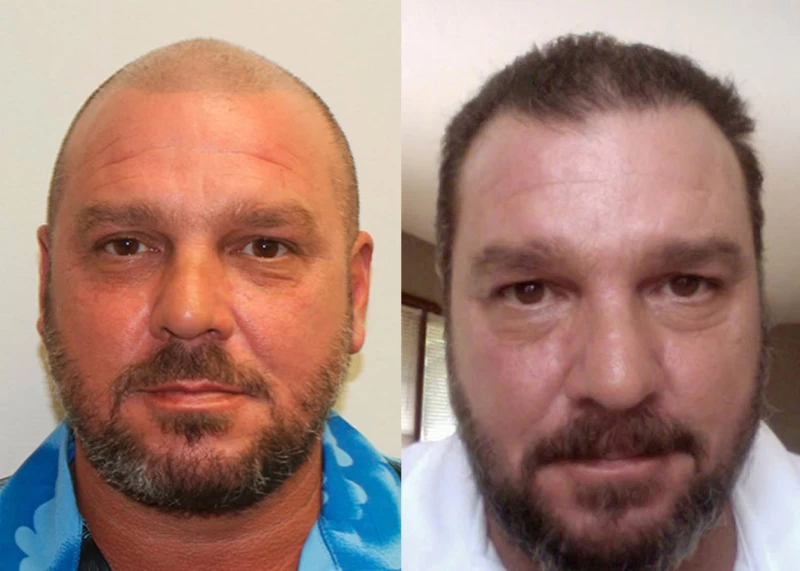
From Full-Head Tattoo to Hair Restoration
Patient 344 had used a tattoo as a way to camouflage areas of hair loss. He later chose hair transplantation to restore natural hair coverage rather than relying solely on cosmetic camouflage.
His case demonstrates the difference between changing the appearance of the scalp and restoring actual growing hair through transplantation.
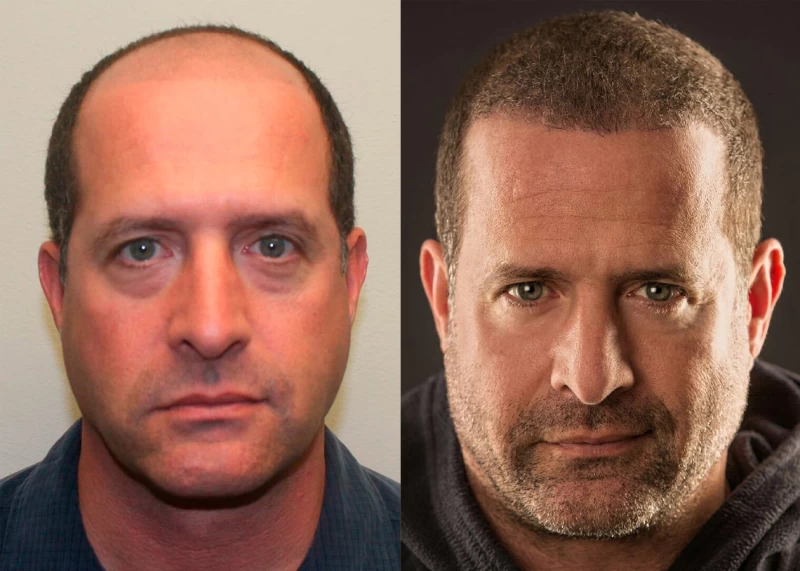
Nothing Beats Restoring Your Natural Hair
Patient 363 chose hair transplantation to address his hair loss and restore natural hair in areas where coverage had been lost.
His documented before-and-after results provide an example of restoring natural hair rather than relying solely on cosmetic camouflage.
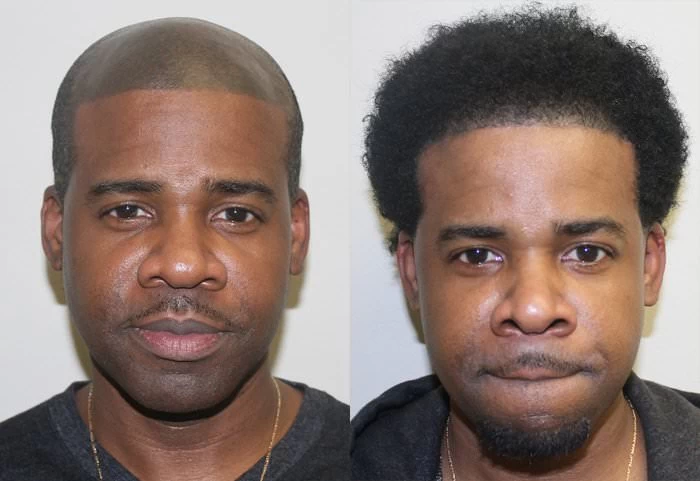
African American Hair Restoration Case
This patient case provides an example of surgical hair restoration for an African American patient, showing how hair transplantation can be planned around individual hair characteristics, donor hair availability, and the areas requiring restoration.
Hair texture and growth pattern are also important considerations when developing an individualized hair restoration plan.
Key Differences Between SMP and Hair Transplantation
Although both approaches may be discussed in the context of hair loss, they produce very different types of results.
Hair Growth
Hair transplantation moves living hair follicles into areas affected by hair loss, where they can produce growing hair. Scalp micropigmentation does not produce new hair growth; it creates the visual appearance of follicles on the scalp.
Long-Term Appearance
Once fully grown, transplanted hair can be cut, styled, and maintained like natural hair. SMP creates a cosmetic appearance on the scalp rather than restoring growing hair.
Donor Hair
Hair transplantation depends on the patient's available donor hair, while SMP does not require donor follicles because no hair is transplanted.
Why Patients May Choose Hair Transplantation
For patients who want to restore actual growing hair, hair transplantation offers a surgical approach that uses the patient's own available donor hair.
Restoring Natural Hair
A hair transplant is designed to move hair follicles from a suitable donor area to areas affected by hair loss. The transplanted follicles can continue to grow hair in their new location.
This means the objective is not simply to change the appearance of the scalp, but to restore hair that can become part of the patient's natural hairstyle.
Working With Available Donor Hair
Every patient has a different amount and distribution of donor hair. Hair-transplant planning therefore needs to consider the patient's existing donor supply and the areas where restoration is needed.
The goal is to use the available donor hair effectively while creating a natural-looking distribution of transplanted hair.
Individual Hair Restoration Planning
Hair loss is not the same for every patient. The pattern of loss, existing hair, donor characteristics, scalp condition, and desired areas of coverage can all affect the surgical plan.
For this reason, hair transplantation should be planned around the individual rather than applying exactly the same approach to every patient.
Dr. Brett Bolton's approach focuses on evaluating the patient's available donor hair and developing a restoration plan based on the individual's circumstances and hair-loss pattern.
Featured Hair Transplant Patient Stories
Explore featured hair transplant patient stories, before and after results, treatment journeys, and long-term follow-up from Dr. Brett Bolton.
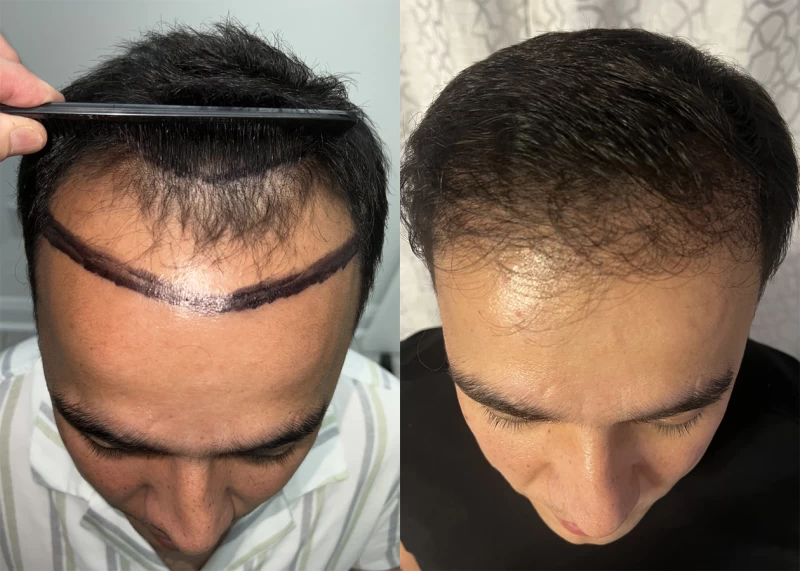
Patient 635
Before & 1 Year Follow-Up
Discover the documented progress of Patient 635’s hair restoration, including one surgery and results at one year.
View Patient Results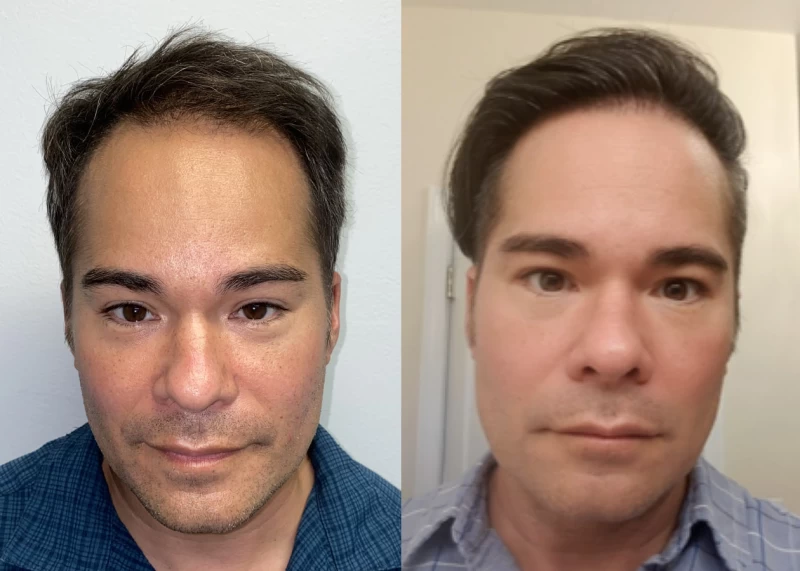
Patient 536
Before & 1 Year Follow-Up
View Patient 536’s documented hair transplant journey, with one surgery and before and after results from one year.
View Patient Results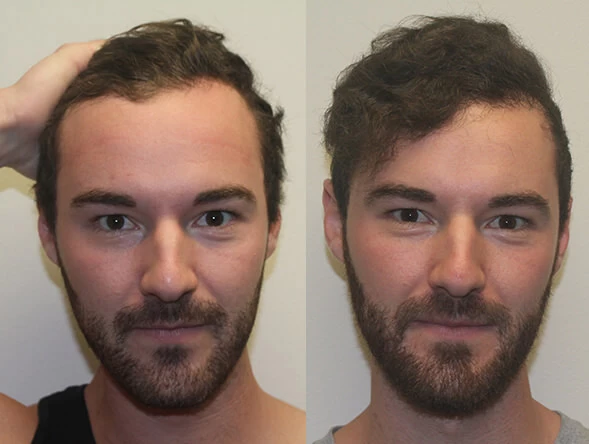
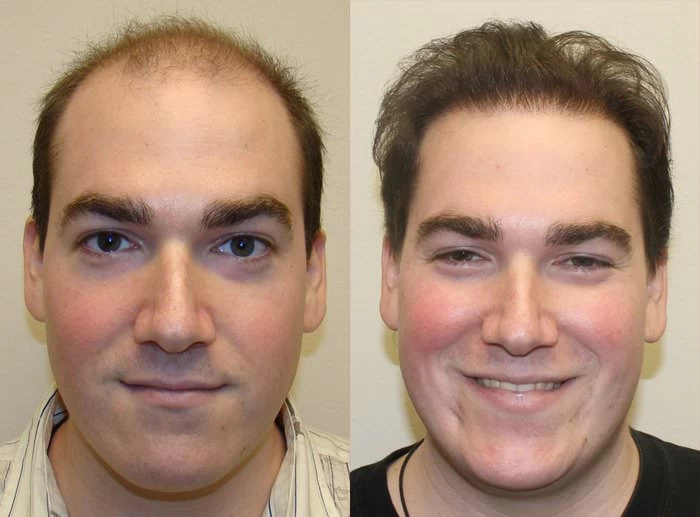
Casey
Before & 1 Year Follow-Up
View Casey’s before and after hair transplant results following one surgery, with one year documented results, using the MaxHarvest™ Technique.
Watch Patient Video
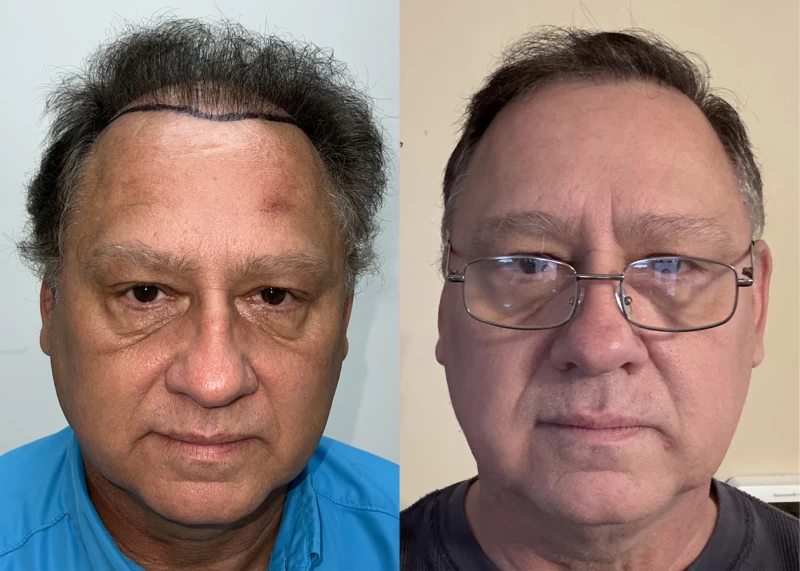
Tom
Before & 1 Year Follow-Up
Tom’s hair transplant results are documented through one surgery, with results shown at one year.
Watch Patient Video
Patient 633
Before & 1 Year Follow-Up
See the documented hair transplant results for Patient 633, including one surgery and results from one year.
View Patient Results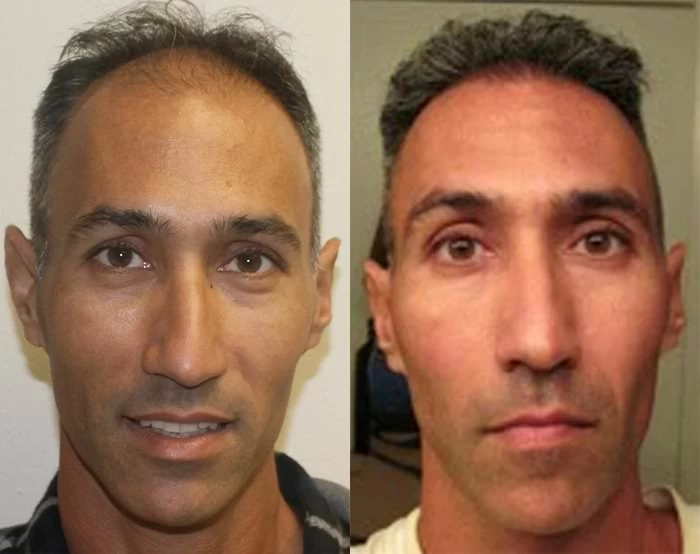
Shai
Before & 1 Year Follow-Up
Review the documented hair transplant results for Shai, with one surgery and results shown at one year.
View Patient ResultsTrusted by 10,000+ Hair Restoration Patients Since 1997
More than 29 years of experience helping patients achieve natural-looking hair restoration results.
Hear From Hair Transplant Patients
Explore real patient experiences and learn what patients have shared about their hair restoration journey with Dr. Brett Bolton.
Very personable and professional. My discussion with Dr. Brett Bolton was both friendly and informative and through my research and experience believe him to be the best in his field. His staff was also very professional and friendly and I would highly recommend him to anyone considering a hair... Read Patient Experience →
I am very pleased with the procedure that Dr.Bolton performed on me in January 2014. The results gave me the shape and frame I was looking for. The staff is very professional and friendly. I would highly recommend Dr. Brett Bolton and the GreatHairTransplant staff. Read Patient Experience →
Making that first call to Great Hair Transplants was one of the most nerve-wracking decisions of my life. Hair loss hits deeper than people realize.
After speaking with Josh and creating a clear game plan to reshape my hairline, fill in the recession, and establish a long-term prevention... Read Patient Experience →
Hi I'm Scott one of Dr. Brett Bolton's patients. I would have to say hair loss affected me as an actor its very important to look my best. When you come to Greathairtransplants everyone treats you as a friend including Dr. Brett Bolton. The procedure went amazing they give you food, snacks, and... Read Patient Experience →
Best service experience with hair for sure. My results are unbelievable. I constantly receive comments on how much younger I look!! Thanks to Dr. Brett Bolton and his staff I have received life changing results! Read Patient Experience →
I had a great experience. I was in and out in a few hours and fell asleep during the procedure it was so painless. Recovery was no fun but I would do it all again to keep my results. After procedure communication has been great too. No complaints. Read Patient Experience →
Experienced Hair Transplant Care You Can Trust
Find answers to your hair transplant questions and learn more about our approach to personalized hair restoration care, patient experience, and natural-looking results.
850+
Patient Reviews
29+
Years of Experience
100%
Patient-Focused Care
Multiple
Trusted Review Sources
Frequently Asked Questions About Hair Transplants
Get answers to common questions about hair transplants, including procedures, candidacy, costs, recovery, results, and hair restoration options.
Our Pricing Philosophy
Please understand that we do not charge by the graft. We believe that pricing hair transplantation this way can be misleading. For example, when a clinic quotes “1,000 grafts,” that number alone does not indicate how much hair you are actually receiving. A graft may contain one, two, or three hairs, and each situation represents a very different total amount of hair, even though the patient is charged the same based solely on the graft count. For this reason, we believe that graft-based pricing does not always reflect the true value or outcome of a procedure.
Instead, we have chosen what we believe is a fairer and more transparent approach: pricing based on the amount of donor tissue removed. Our planning is based on averages. The average adult male has approximately 200 hairs per square centimeter in the donor area, although individual hair density varies. Regardless of individual density, patients at the same pricing level receive approximately the same amount of donor tissue extracted. This provides consistency in the amount of tissue removed rather than relying on graft numbers that can vary significantly in hair content.
While it is not possible to guarantee an exact number of square centimeters removed, we make every effort to come as close as possible to the planned amount. When feasible, we aim to slightly exceed the planned amount rather than fall short.