Corrective Hair Transplant Surgery
Previous hair transplant procedures can sometimes leave patients with unnatural hairlines, visible grafts, or significant scarring. Corrective hair transplant surgery is designed to improve these concerns and create a more natural-looking result.
4.9 Average Rating
Based on 850 verified patient reviews.
⭐ Trusted by 10,000+ Hair Restoration Patients Since 1997 • No obligation · Private & Confidential · Expert Guidance
Corrective Hair Transplant Surgery
Advances in hair restoration surgery have made it possible to improve the appearance of many older or unsatisfactory hair transplant procedures. Corrective hair restoration focuses on addressing visible problems from a previous procedure while creating a more natural-looking result that is appropriate for the patient's current hair and donor supply.
Older hair transplant techniques sometimes relied on larger grafts or plugs that could produce an unnatural appearance. Other patients may have experienced an overly straight hairline, uneven density, visible scarring, poor graft placement, or insufficient coverage. Corrective surgery must take these existing conditions into account rather than treating the patient like someone undergoing a first-time transplant.
Dr. Brett Bolton evaluates the existing transplanted hair, remaining donor hair, scalp condition, hair-loss pattern, and the patient's goals when developing a corrective treatment plan. Depending on the individual case, treatment may focus on improving the hairline, adding density, reducing the appearance of previous transplant work, addressing donor-area concerns, or making better use of the remaining donor supply.
Because patients seeking corrective hair restoration have often already used a portion of their available donor hair, donor management is particularly important. The objective is not simply to add more grafts, but to develop a long-term strategy that makes the most appropriate use of the hair that remains.
Problems Corrective Hair Transplant Surgery Can Address
Previous hair restoration procedures can leave patients with different concerns depending on the technique used, the amount of donor hair available, and how the original procedure was planned.
Unnatural Hairlines
A hairline that is too straight, too low, or lacks the natural variation of a mature hairline may be improved through careful corrective planning.
Large Grafts or Plug-Like Appearance
Older transplant techniques sometimes used larger grafts that can remain visibly distinct from naturally growing hair. Corrective treatment may focus on creating a more natural transition between the hairline and existing hair.
Uneven or Insufficient Density
Previous procedures may produce uneven coverage or leave areas that appear noticeably thinner than surrounding hair. A corrective plan can evaluate whether additional density is appropriate based on the available donor supply.
Visible Transplant Scarring
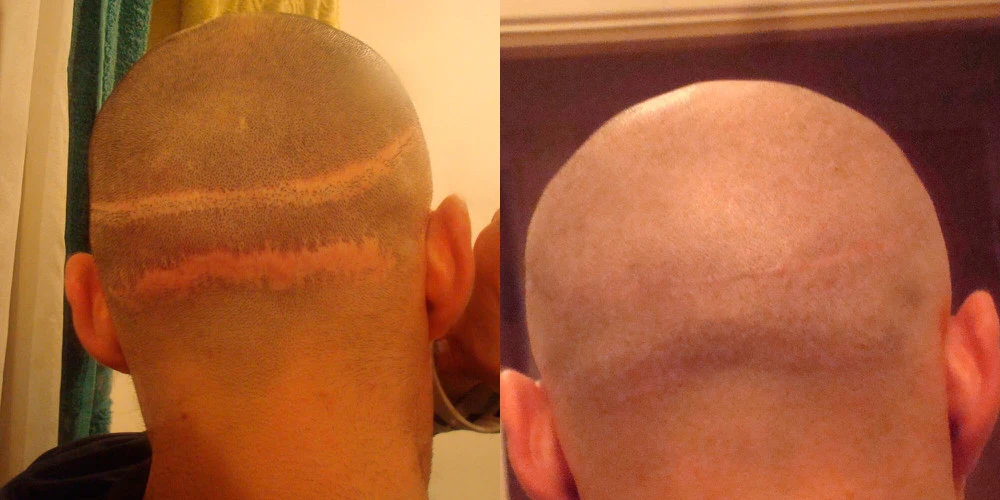
Patients who have undergone previous hair transplant procedures may have visible donor or recipient-area scarring. The appropriate approach depends on the type, location, and extent of the existing scar tissue.
You Don't Have to Be Afraid That Your Hair Transplant Will Look "Pluggy"!
Fortunately, modern corrective hair transplant techniques can incorporate older grafts into a more natural-looking restoration. When possible, existing plugs or grafts can be preserved and blended with smaller, more refined grafts.
The frontal hairline can be redesigned to create a more natural appearance and better frame the face. Behind the previously developed hairline, grafts of different sizes can be used where appropriate to help soften the appearance of older, unnatural grafts.
The goal of corrective surgery is to improve the overall appearance of a previous hair transplant while making the result look more natural and less noticeable.
Correcting Unnatural Hairlines
One of the most noticeable problems following an older hair transplant can be an unnatural or poorly designed hairline. A corrective hair transplant can be planned to improve the appearance of the existing hairline and create a more natural transition.
Existing transplanted grafts do not necessarily have to be removed. Where appropriate, they can be incorporated into the corrective plan while additional grafts are used to soften the hairline and improve the overall appearance.
Corrective surgery requires careful planning because the available donor hair is limited. The existing transplant, donor supply, hairline position, and the patient's individual goals all need to be considered before determining the appropriate approach.
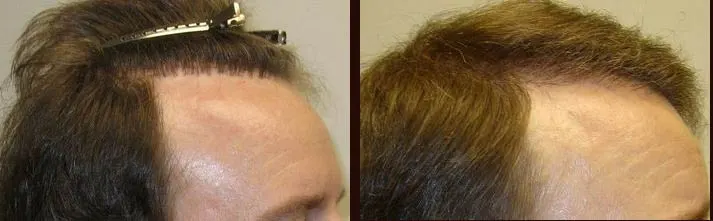
Corrective hair transplant hairline restoration
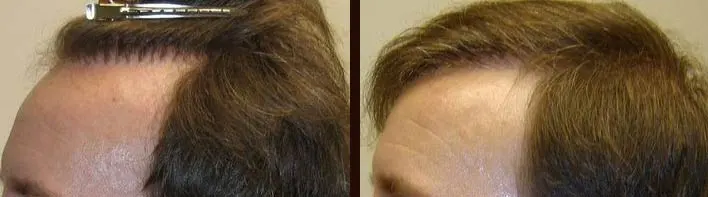
Corrective hair transplant scar repair
Correcting Hair-Transplant Scarring
Previous hair-transplant procedures can sometimes leave noticeable scars in the donor or recipient area. When significant scarring is present, corrective surgery may be used to improve the appearance of the affected area.
In some cases, a scar can be surgically revised to create a finer and less noticeable scar. Hair transplantation may also be used around or into the affected area when appropriate to provide additional coverage.
Corrective treatment must be carefully planned around the patient's existing scars, donor supply, previous procedures, and overall hair-restoration goals.
The objective is to improve the appearance of the scar while preserving the available donor hair for any additional restoration that may be appropriate.
Why Choose Dr. Bolton for Corrective Hair Transplant Surgery?
Corrective hair restoration requires a different level of planning because the patient has already undergone one or more previous procedures. Existing grafts, donor availability, scarring, hairline position, and the overall appearance of the previous transplant all need to be considered.
Dr. Brett Bolton specializes in hair restoration surgery and has developed techniques designed to address challenging hair transplant cases. His approach focuses on making the most effective use of the patient's remaining donor hair while working toward a more natural-looking result.
Every corrective case is different. The appropriate surgical approach depends on the patient's previous procedures, current hair loss, donor area, existing grafts, and individual goals.
A consultation allows Dr. Bolton to evaluate the existing transplant and determine which corrective options may be appropriate for the individual patient.
What Can Corrective Hair Transplant Surgery Address?
Corrective hair transplant surgery can address a variety of concerns resulting from previous hair restoration procedures. The appropriate approach depends on the patient's existing transplant, remaining donor hair, scalp condition, and desired outcome.
- 1 Unnatural Hairlines
Improve the appearance of a hairline that was positioned, shaped, or transplanted unnaturally.
- 2 Large or Pluggy Grafts
Improve the appearance of older grafts or plugs by incorporating them into a more refined restoration when appropriate.
- 3 Visible Scarring
Address noticeable donor or recipient-area scars through appropriate corrective techniques.
- 4 Uneven Hair Restoration
Improve areas where previous transplantation has resulted in inconsistent coverage or an unnatural appearance.
- 5 Limited Remaining Donor Hair
Develop a treatment strategy that considers the patient's remaining donor supply and previous procedures.
Corrective Surgery Requires Careful Planning
Corrective hair transplantation is different from an initial hair restoration procedure. Previous surgery can affect the donor area, recipient area, existing grafts, and the amount of hair that remains available for future treatment.
Before recommending a corrective procedure, the existing hair transplant and donor area need to be carefully evaluated. The condition and position of previous grafts, the pattern of ongoing hair loss, and any visible scarring can all influence the treatment plan.
The objective is not simply to add more hair. A corrective procedure should address the underlying cosmetic concerns while making responsible use of the patient's remaining donor hair.
Every Corrective Hair Transplant Case Is Different
Patients seeking corrective hair restoration may have very different reasons for seeking treatment. Some may be concerned about an unnatural hairline, while others may be dealing with visible grafts, scarring, insufficient coverage, or the results of multiple previous procedures.
The number of previous procedures and the condition of the donor area can also vary considerably. For this reason, there is no single corrective technique that is appropriate for every patient.
Dr. Bolton evaluates the patient's existing hair transplant, donor supply, scalp characteristics, and restoration goals before determining what corrective options may be appropriate.
In some cases, the objective may be to improve an existing transplant rather than completely replace it. In other cases, additional transplantation or surgical correction may be considered as part of the overall treatment plan.
Corrective Hair Transplant Patient Results
Explore documented before-and-after results from patients who underwent corrective hair transplant surgery with Dr. Brett Bolton. Each case highlights a different hair restoration challenge and the patient's treatment and follow-up results.
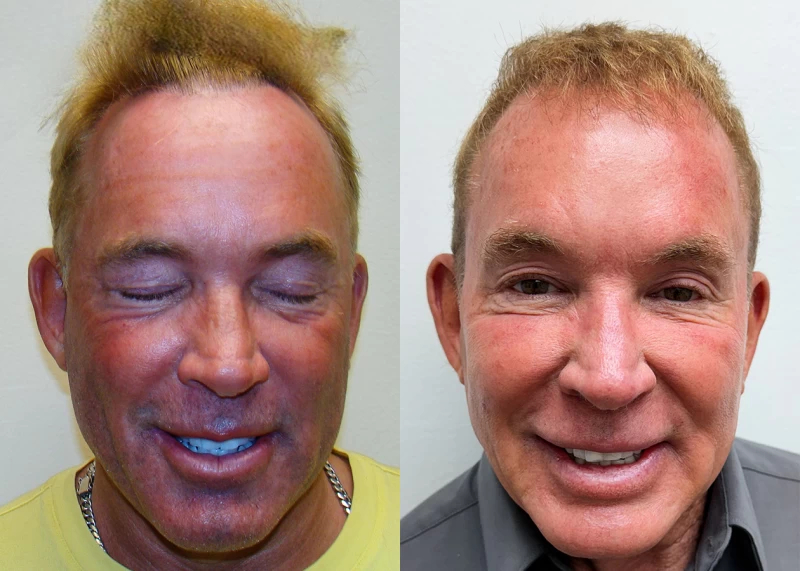
Patient Kevin
Dr. Brett Bolton performs a MaxHarvest Plus procedure on patient Kevin. We originally did a corrective hair restoration 15 years ago. He was very pleased and wanted to finish the work we started. Kevin refers all of his friends and family and is very satisfied.
View Patient Results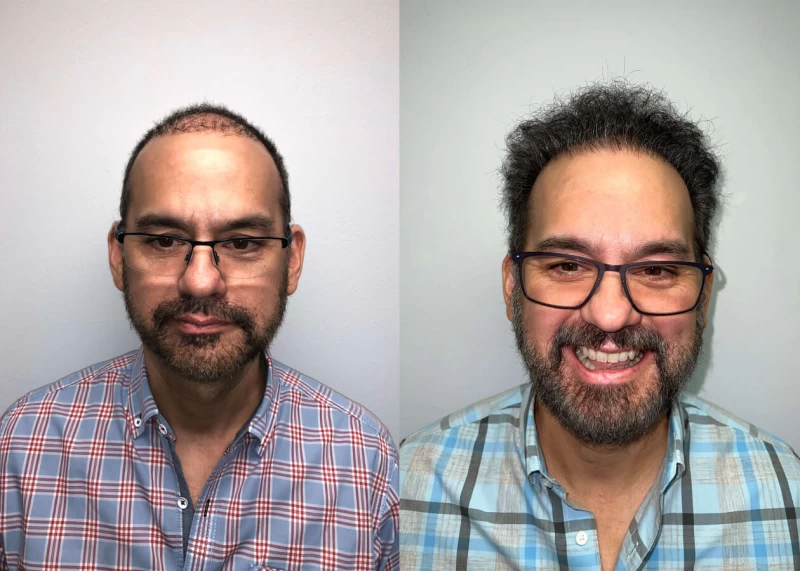
Patient Chris
Chris had a previous FUE / ARTAS procedure by a top California hair surgeon. Chris was completely disappointed with his unnatural results. He flew from Portland, Oregon to Dr. Bolton to have his corrective surgery. He is thrilled with his results and is back for more. Chris recommends Dr. Brett Bolton to all who ask.
View Patient Results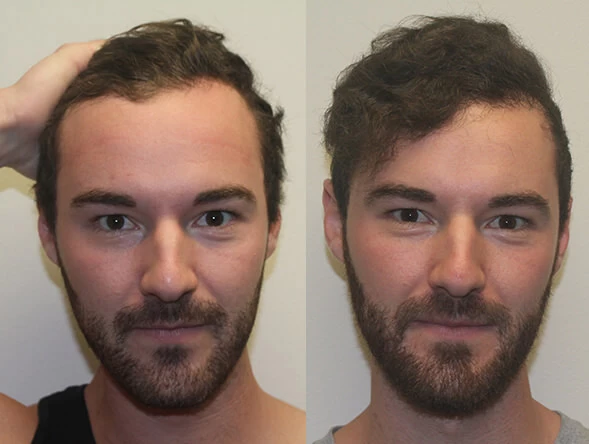
Patient Casey
Casey had a FUE procedure and was not pleased with the results. He did his research and found Dr. Bolton. Dr. Bolton was able to correct his botched procedure. Casey is very pleased with his results and recommends Dr. Bolton to all who ask.
View Patient Results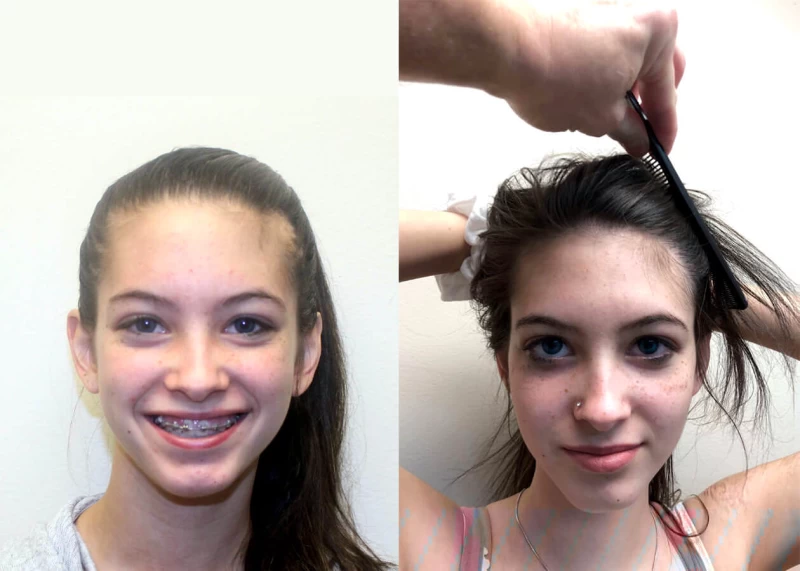
Burn Patient - Corrective Hair Surgery
Dr. Brett Bolton performs corrective hair surgery on a patient who had scalding hot water accidentally poured on her as a toddler. Hannah struggled with the hair loss and the scarred area through out her early childhood. Hannah was bullied at school due to the scarred area on her face and head. Dr. Bolton was able to correct it in a single procedure and Hannah and her mother could not be more pleased with the results!
View Patient Results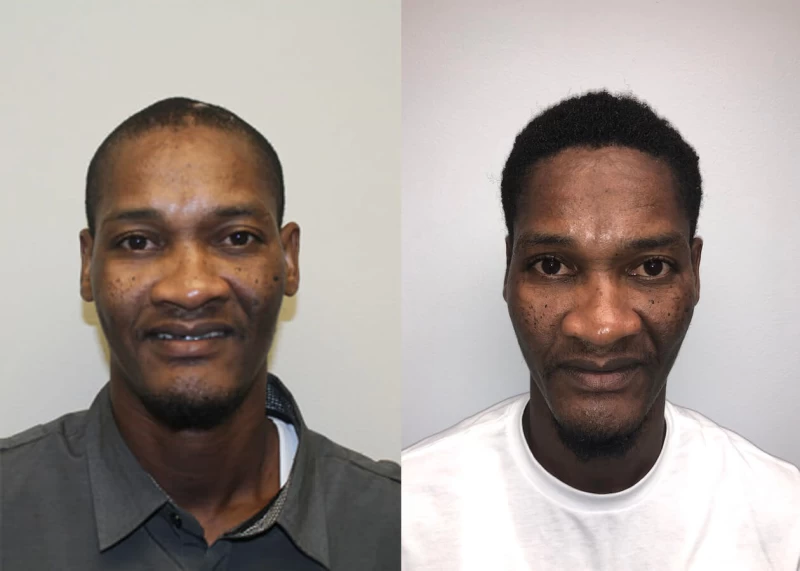
Patient Ron
Dr. Brett Bolton performs a heartwarming hair restoration on a burn patient with miraculous results. Ron was burned as a child by a gas lamp and was traumatized ever since by his hair loss. Ron searched for a doctor to fix it for years. Ron found Dr. Bolton and is amazed by his miraculous transformation.
View Patient Results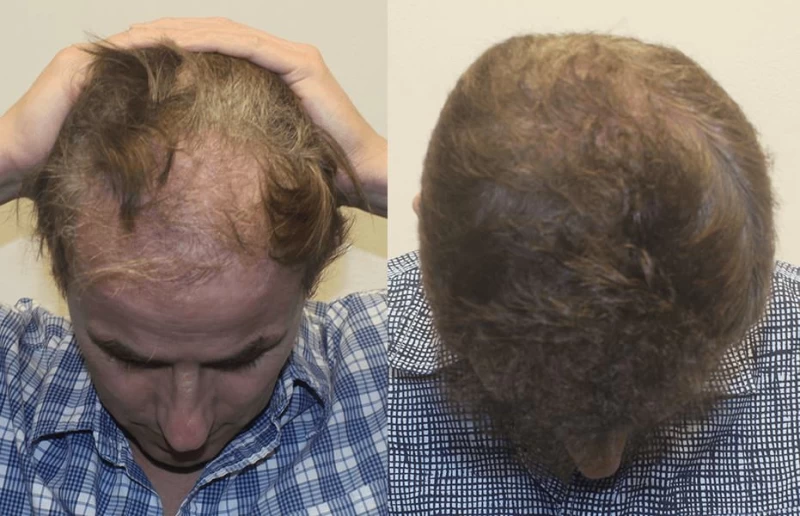
Patient James
James flew in from Alaska to have hair surgeon Dr. Brett Bolton finish his corrective hair transplant. James had a previous botched hair surgery and he was not pleased with his hair plugs, so he flew from Alaska to have a corrective hair implant procedure. Dr. Bolton performed a corrective hair implant surgery with amazing results.
View Patient ResultsFeatured Hair Transplant Patient Stories
Explore featured hair transplant patient stories, before and after results, treatment journeys, and long-term follow-up from Dr. Brett Bolton.
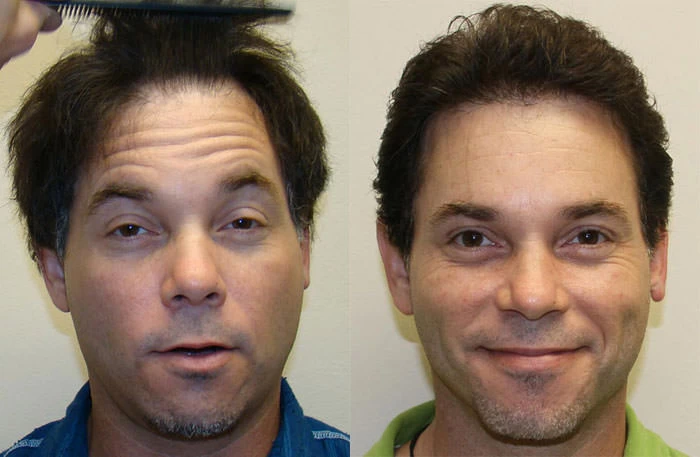
Todd
Before & 1 Year Follow-Up
Todd’s hair transplant results are documented through one surgery, with results shown at one year, including hairline restoration.
Watch Patient Video
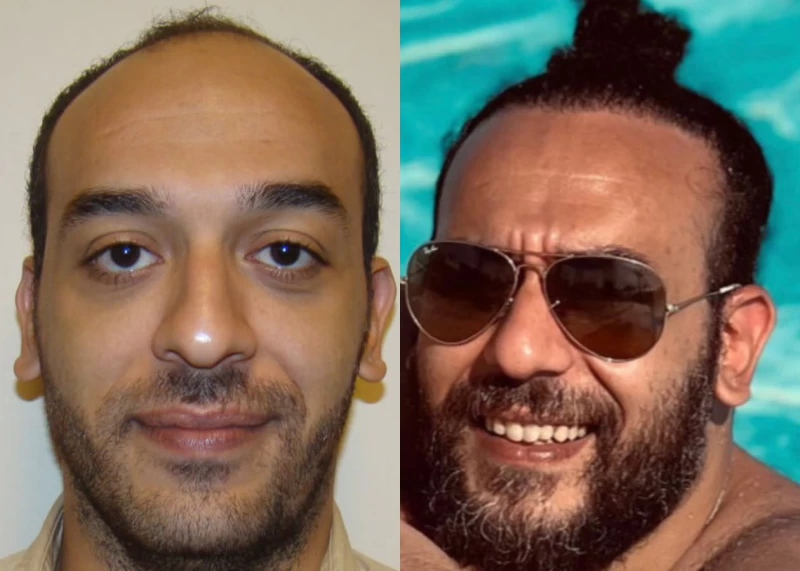
Karim
Before & 1 Year Follow-Up
Explore Karim’s documented hair transplant journey, including one surgery and one year, using the MaxHarvest™ Technique.
Watch Patient Video
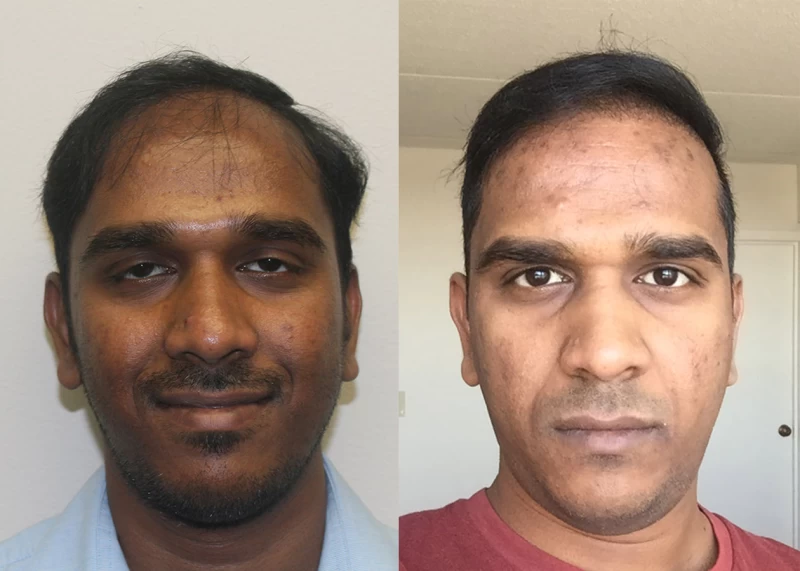
Patient 358
Before & 1 Year Follow-Up
Discover the documented progress of Patient 358’s hair restoration, including one surgery and results at one year.
View Patient Results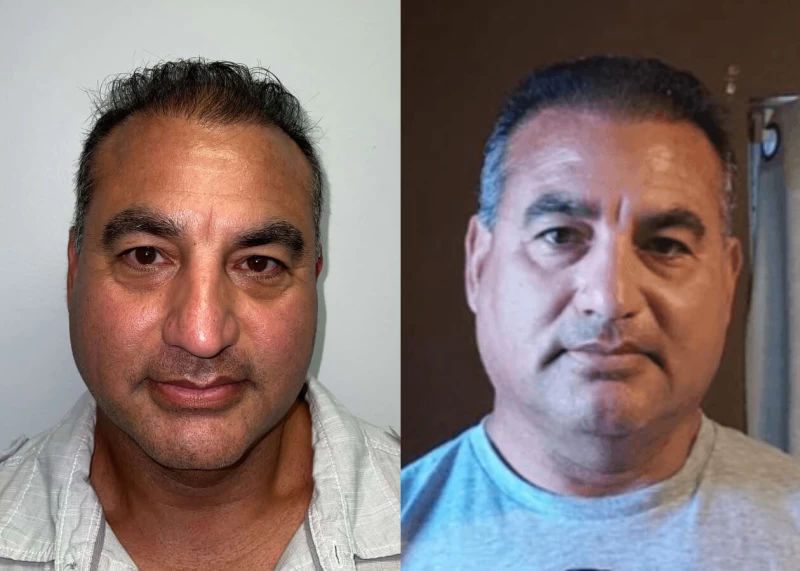
Bobby
Before & 1 Year Follow-Up
Discover the documented progress of Bobby’s hair restoration, including one surgery and results at one year.
View Patient Results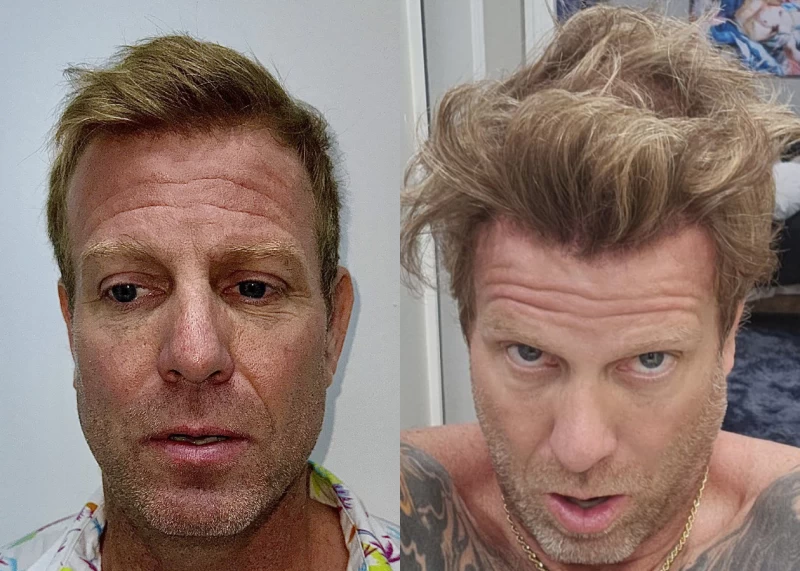
Patient 615
Before & 1 Year Follow-Up
This case documents Patient 615’s hair restoration results through one surgery, with follow-up results shown at one year.
View Patient Results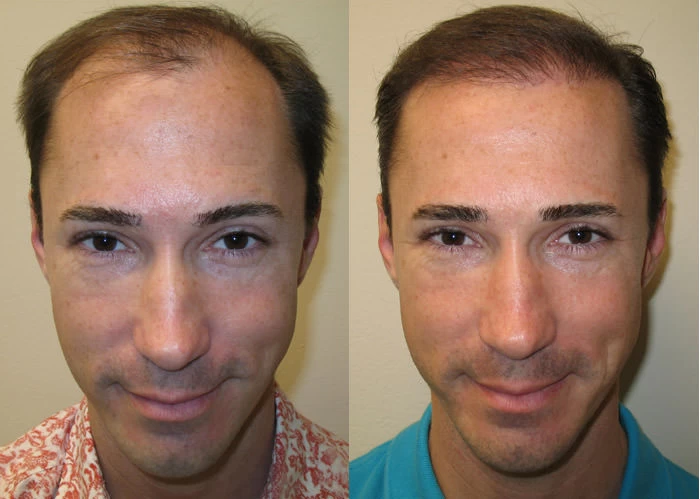
Chrystopher
Before & 1 Year Follow-Up
View Chrystopher’s documented hair transplant journey, with one surgery and before and after results from one year.
View Patient ResultsTrusted by 10,000+ Hair Restoration Patients Since 1997
More than 29 years of experience helping patients achieve natural-looking hair restoration results.
Hear From Hair Transplant Patients
Explore real patient experiences and learn what patients have shared about their hair restoration journey with Dr. Brett Bolton.
If you’re thinking of getting hair restoration, I highly recommend going to Dr. Bolton. From the moment I walked in the office, Dr. Bolton and his staff calmed my nerves, made me feel safe and comfortable. It started with the very first phone call from Mike, who was very professional and friendly,... Read Patient Experience →
Got my procedure in 2019. Dr Bolton and Josh took good care of me and I would recommend their services. All these years later and still happy with how it all worked out. Read Patient Experience →
I had my Hair transplant done in October of 2024 and at 8 months I am extremely happy with my results. I can't wait till 18 months to see the final results but I can honestly say Dr. Bolton truly knows what he is doing. My hairline looks so natural it is unbelievable. Here is a picture of before... Read Patient Experience →
I had a wonderful experience with Dr.Bolton and Michael took good care of me with following up in regards to the post op plan. Read Patient Experience →
After doing alot of research, I decided to go with Dr. Bolton, Greater Hair Transplants in Fort Lauderdale. The best decision ever. The most Proficient in his field and he uses the max harvest procedure if you're looking for max and above average results, I highly recommend Dr. Bolton. Read Patient Experience →
Dr. Brett Bolton changed my life! My self confidence was low my hair loss kept me from doing a lot of activities I enjoy. I decided to have the procedure done to look and feel younger. I expected the procedure to be painful - to my surprise it was painless and very easy. The doctor and staff calmed... Read Patient Experience →
Experienced Hair Transplant Care You Can Trust
Find answers to your hair transplant questions and learn more about our approach to personalized hair restoration care, patient experience, and natural-looking results.
850+
Patient Reviews
29+
Years of Experience
100%
Patient-Focused Care
Multiple
Trusted Review Sources
Frequently Asked Questions About Hair Transplants
Get answers to common questions about hair transplants, including procedures, candidacy, costs, recovery, results, and hair restoration options.
Our Pricing Philosophy
Please understand that we do not charge by the graft. We believe that pricing hair transplantation this way can be misleading. For example, when a clinic quotes “1,000 grafts,” that number alone does not indicate how much hair you are actually receiving. A graft may contain one, two, or three hairs, and each situation represents a very different total amount of hair, even though the patient is charged the same based solely on the graft count. For this reason, we believe that graft-based pricing does not always reflect the true value or outcome of a procedure.
Instead, we have chosen what we believe is a fairer and more transparent approach: pricing based on the amount of donor tissue removed. Our planning is based on averages. The average adult male has approximately 200 hairs per square centimeter in the donor area, although individual hair density varies. Regardless of individual density, patients at the same pricing level receive approximately the same amount of donor tissue extracted. This provides consistency in the amount of tissue removed rather than relying on graft numbers that can vary significantly in hair content.
While it is not possible to guarantee an exact number of square centimeters removed, we make every effort to come as close as possible to the planned amount. When feasible, we aim to slightly exceed the planned amount rather than fall short.