Frequently Asked Questions About Hair Transplants
Explore answers to common hair transplant questions, including procedures, treatment planning, recovery, hair growth, results, and consultations with Dr. Brett Bolton.
Book Free Hair Transplant ConsultationHair Transplant Consultation
Hair transplant recovery varies from patient to patient. Most people experience the initial healing process during the first several days and weeks, followed by a much longer period during which the transplanted hair grows and matures.
No. Recovery can vary depending on the procedure performed, number of grafts transplanted, individual healing response, scalp condition, and other personal factors. Your surgeon can provide more specific guidance based on your procedure and circumstances.
Scheduling a free hair transplant consultation is the first step toward understanding your hair restoration options. During a consultation with Dr. Brett Bolton, your hair loss pattern, donor hair availability, restoration goals, and potential treatment options can be evaluated.
A personalized consultation can help you understand the factors that may influence your hair restoration plan, including:
General Hair Transplant Questions
Patient reviews can be helpful when researching a hair transplant surgeon, but they should be considered as part of a broader evaluation. Looking at multiple patient experiences can help you understand the consultation process, treatment experience, recovery, communication, and overall satisfaction.
Reviews should not be the only factor in choosing a hair transplant surgeon. Patient experiences are individual, and treatment outcomes can vary based on hair characteristics, donor supply, the extent of hair loss, surgical planning, and other factors.
Selecting a hair transplant surgeon requires more than comparing procedure prices or looking at a few photographs. Patients should consider the surgeon's experience, approach to treatment planning, documented results, patient feedback, and commitment to long-term hair restoration.
Hair transplantation is not a one-size-fits-all procedure. A surgeon should evaluate the available donor hair, existing hair, expected future hair loss, desired coverage, and appropriate hairline design before recommending treatment.
Hair restoration should be planned around the individual rather than based on a standard procedure for every patient. Dr. Brett Bolton evaluates each patient's hair loss pattern, donor hair characteristics, facial features, previous procedures, and long-term restoration goals when developing a treatment strategy.
No. Hair restoration needs vary considerably between patients. Depending on the individual evaluation, treatment may involve hairline restoration, crown restoration, FUT hair transplantation, corrective hair restoration, or another customized approach.
Not everyone experiencing hair loss will require or benefit from a hair transplant. Candidacy is determined through an individual evaluation that considers the cause and pattern of hair loss, available donor hair, overall health, previous treatments, and long-term restoration objectives.
No. Some patients may have insufficient donor hair, an unstable pattern of hair loss, or another condition that makes surgery inappropriate at that time. In certain situations, medical or non-surgical treatment may be considered instead.
A consultation gives you an opportunity to understand your hair loss, review possible treatment options, and discuss what may be realistically achievable. Preparing topics in advance can make the conversation more productive and help you understand the recommendations provided by your surgeon.
Hair restoration is highly individualized. Understanding why a particular approach is being recommended can help you make an informed decision and establish realistic expectations before treatment.
Researching a hair transplant surgeon carefully can help you make a more informed treatment decision. Before scheduling surgery, it is useful to verify the surgeon's experience, patient outcomes, treatment approach, and the level of care provided before and after the procedure.
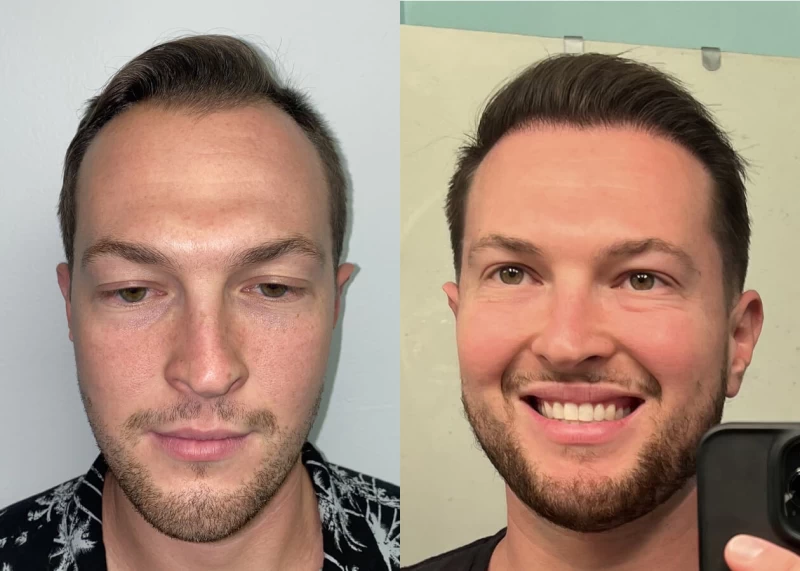
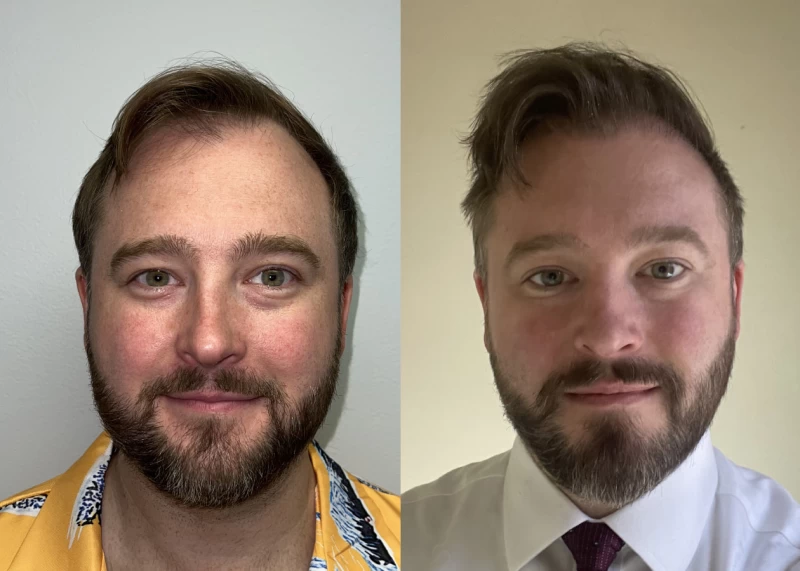
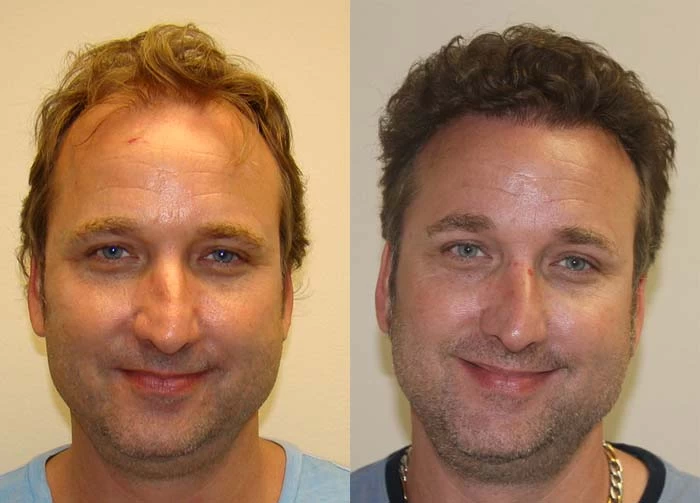
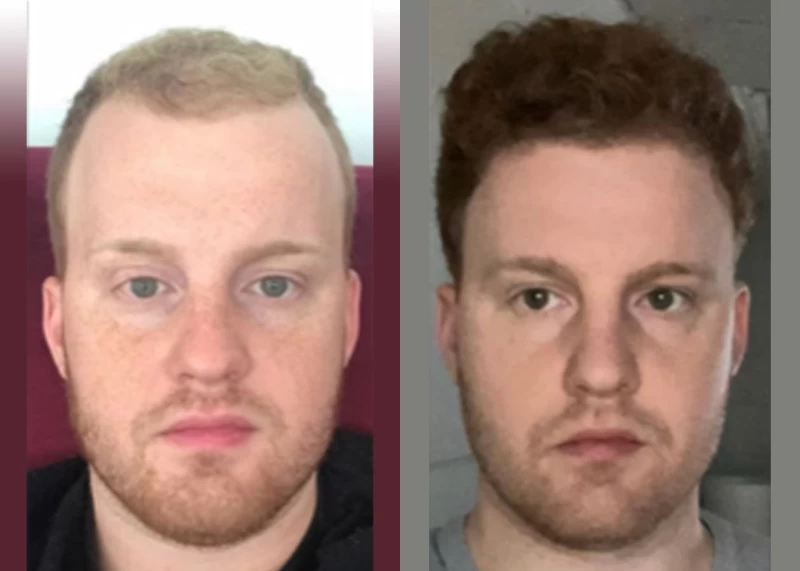
Hair transplant results can vary because every patient has different hair characteristics, donor resources, hair loss patterns, and treatment goals. Reviewing multiple documented cases can provide a broader understanding of the surgeon's work and the types of restoration outcomes that may be possible.
Reviewing documented patient outcomes can be a useful part of researching a hair restoration surgeon. Before making a decision, prospective patients can examine different types of patient information to better understand the quality, consistency, and nature of the results achieved.
This website provides access to 850+ verified patient reviews, before-and-after photographs, video testimonials, patient success stories, educational articles, and frequently asked questions. Together, these resources provide different perspectives on the hair restoration experience with Dr. Brett Bolton.
Traveling to another country for a hair transplant may appeal to patients who are comparing treatment costs or looking at clinics outside their home area. However, the decision should involve more than the advertised price or destination. The surgeon, clinic standards, treatment plan, and access to follow-up care are all important considerations.
Hair transplant recovery continues after the procedure is completed. Patients may need guidance during the healing and growth stages, so traveling a long distance for surgery can make communication and in-person follow-up more difficult.
For some patients, medical hair loss treatment may be considered before or alongside a hair transplant. The appropriate approach depends on the cause of hair loss, how quickly it is progressing, the condition of existing hair, and your overall restoration goals.
Medical treatment may help manage ongoing hair loss and preserve existing native hair. Maintaining as much of the existing hair as possible can be an important part of developing a long-term hair restoration strategy.
The U.S. Food and Drug Administration (FDA) has approved medications and cleared certain medical devices that may help manage specific types of hair loss. Depending on the cause of hair loss and individual circumstances, these treatments may help slow hair loss, maintain existing hair, or support hair regrowth.
The three commonly discussed FDA-approved or FDA-cleared hair loss treatment options include:
A hair transplant restores hair in areas affected by permanent hair loss, but it does not necessarily stop the progression of hair loss in the surrounding native hair. Understanding this distinction is important when planning a long-term restoration strategy.
Transplanted follicles are generally selected from donor areas that are more resistant to hereditary hair loss. Once successfully established, these follicles are expected to continue producing hair for many years.
Preparing for hair transplant surgery involves more than simply choosing a procedure date. Proper preparation helps your surgical team understand your health history, plan the procedure appropriately, and guide you through the recovery process.
Comfortable clothing that does not need to be pulled over your head can make the day of surgery easier. Follow any additional instructions provided by your surgical team.
Hair restoration requires careful assessment, surgical technique, and aesthetic planning. A surgeon's experience can be important when determining how to approach a patient's hair loss, manage limited donor hair, design the restoration, and address the challenges that may arise during treatment.
No. Surgeon experience is one factor in hair restoration, but results also depend on the patient's donor supply, hair characteristics, extent of hair loss, healing response, and long-term hair loss pattern. A thorough evaluation is necessary to understand what may realistically be achieved.
The time required for a hair transplant varies based on the number of grafts, treatment area, restoration technique, and complexity of the procedure. Smaller procedures may take less time, while larger or corrective cases can require a longer surgical session.
Hair transplantation requires careful handling of individual follicular units. Grafts must be harvested, prepared, and placed with attention to their natural direction, angle, spacing, and distribution. Taking the necessary time during each stage helps protect graft quality and supports a natural-looking result.
Yes. A failed or unsatisfactory hair transplant may be improved through corrective hair restoration, depending on the condition of the scalp, remaining donor hair, previous graft placement, and the patient's goals. Corrective procedures are often more complex because the surgeon must evaluate and work around the results of the previous transplant.
Corrective cases often require more detailed planning because the surgeon must evaluate previous work, available donor resources, scalp condition, and realistic improvement possibilities.
Choosing a hair transplant surgeon involves more than comparing procedure prices or the number of surgeries performed. Patients should look at the surgeon's experience, approach to hairline design, quality of patient results, and ability to develop a treatment plan that fits their individual hair loss pattern.
Hair restoration combines surgical technique with careful aesthetic planning. The surgeon must consider the natural direction and angle of existing hair, appropriate density, hairline design, donor hair preservation, and how the result is expected to develop over time.
Knowing what to expect after a hair transplant can help you prepare for the healing and hair-growth process. The scalp typically heals over the first several days and weeks, while visible hair growth develops gradually over the following months.
The scalp continues to heal during the first few weeks. Transplanted hairs may temporarily shed during this period as the follicles transition into a new growth cycle. Temporary shedding does not necessarily indicate that the transplant was unsuccessful.
Hair transplant methods differ primarily in how donor hair is harvested and prepared for transplantation. The most appropriate approach depends on factors such as your hair loss pattern, donor hair availability, restoration goals, and long-term treatment plan.
The recommended technique depends on several factors, including:
Whether hair loss can be prevented or slowed depends on its underlying cause. Some forms of hair loss may be managed with early evaluation and appropriate treatment, while others may not be completely preventable. Identifying the cause early can help determine the most appropriate approach.
Genetic hair loss, also known as androgenetic alopecia, is influenced by inherited factors and hormonal sensitivity. It cannot always be completely prevented, but appropriate treatment may help slow progression and preserve existing hair in some patients.
Hair loss can occur for many different reasons, and identifying the underlying cause is an important first step in determining the appropriate treatment. One of the most common causes of progressive hair loss is androgenetic alopecia, also known as genetic or pattern hair loss.
Different types of hair loss may require different treatment approaches. Some patients may benefit from medical management, while patients with permanent pattern hair loss may be candidates for hair restoration surgery. A proper evaluation helps determine which options may be appropriate.
Still Have Questions About Hair Transplants?
Our team is here to help you understand your hair restoration options and find the right approach for your needs.
Book Your Free Hair Transplant ConsultationHear From Hair Transplant Patients
Explore real patient experiences and learn what patients have shared about their hair restoration journey with Dr. Brett Bolton.
I heard about Dr Bolton from a friend. My first visit I met Josh who manages the office and then Dr Bolton. I was impressed and felt he was my guy. The procedure was painless. I was bald at the crown area on June 2019. Today I have a full head of hair. Dr Bolton and his staff planted 10,000 babies... Read Patient Experience →
Dr. Bolton and Josh are professionals who care about their clients and will stand behind their word. They will walk you through the process and regularly check up on you after the procedure. This company delivers as advertised and makes you feel as if you are part of the family! So, if you're... Read Patient Experience →
Dr. Brett Bolton changed my life in a positive way beyond words can express. Just look at the photos and my video. As far as I am concerned there is no other choice - Dr Bolton - the only choice there is. Read Patient Experience →
In 2006, Dr. Bolton did my hair transplant here in Nashville. I was 56 years old at the time. He did a great job. I was losing tons of hair on top, in the front. The staff was great and followed up with me for several days. I didn’t have any problems at all with the transplant. I’m now 73 years old... Read Patient Experience →
Already had hair transplants done by another Doctor before coming to Dr Bolton. He had straightened out what I already had done. By far the best transplant i have ever received. Everyone in the office was great. Read Patient Experience →
Dr Bolton and his team of professionals are second to none. I had two prior surgery's which were failures regarding positive results. Dr Bolton’s results are mind blowing and changed my life for ever. The results have exceeded far beyond my initial expectations. Read Patient Experience →
Experienced Hair Transplant Care You Can Trust
Find answers to your hair transplant questions and learn more about our approach to personalized hair restoration care, patient experience, and natural-looking results.
850+
Patient Reviews
29+
Years of Experience
100%
Patient-Focused Care
Multiple
Trusted Review Sources