Frequently Asked Questions About Hair Transplants
Explore answers to common hair transplant questions, including procedures, treatment planning, recovery, hair growth, results, and consultations with Dr. Brett Bolton.
Book Free Hair Transplant ConsultationHair Transplant Recovery
Not everyone experiencing hair loss is an immediate candidate for a hair transplant. A successful hair restoration procedure begins with a detailed evaluation of your hair loss pattern, donor hair availability, medical history, and long-term goals.
Patients with active or rapidly progressing hair loss, limited donor supply, certain medical conditions, or unrealistic expectations may require additional assessment before considering surgery. In some cases, medical treatment or further evaluation may be recommended before proceeding with a hair transplant.
The cost of a hair transplant varies from patient to patient because every procedure is customized. Factors such as the amount of hair loss, number of grafts required, technique selected, donor hair availability, and the complexity of the case can all influence the overall cost.
A personalized consultation is the best way to determine the appropriate treatment plan and provide an accurate understanding of the procedure required. Hair restoration should be based on your individual needs rather than a one-size-fits-all estimate.
Many patients are able to return to work within a few days after a hair transplant, although the appropriate timing varies depending on the procedure performed, the nature of your job, and your individual healing and comfort level.
Mild redness, swelling, and small scabs can occur as part of the normal healing process. These temporary changes generally improve during the first week or longer, depending on the individual. Following your post-operative instructions carefully helps support proper healing and protects the newly transplanted grafts.
A hair transplant and hair replacement are two different approaches to addressing hair loss. A hair transplant is a surgical procedure that uses your own existing hair follicles, while hair replacement typically refers to non-surgical solutions such as wigs, hair systems, or other cosmetic coverings.
A hair transplant involves moving healthy hair follicles from a donor area, usually the back or sides of the scalp, to areas affected by hair loss. When the transplanted follicles are suitable and successfully established, they can continue to grow naturally in their new location.
FUT (Follicular Unit Transplantation) and FUE (Follicular Unit Extraction) are two commonly used hair transplant techniques. Both methods involve moving healthy hair follicles from a donor area to areas affected by hair loss, but they differ primarily in how the donor follicles are harvested.
FUE involves individually extracting follicular units from the donor area using specialized instruments. Because the follicles are removed individually, FUE does not require the linear donor incision associated with FUT. FUE may be appropriate for patients who prefer to wear their hair shorter or who are candidates for an individual follicular unit harvesting approach.
Hair transplant results develop gradually rather than appearing immediately after surgery. Transplanted follicles need time to heal, enter their natural growth cycle, and produce new hair. The timeline varies between patients based on individual healing, hair characteristics, the number of grafts transplanted, and the treatment plan.
Transplanted follicles must recover and establish their normal growth cycle. New hair initially grows gradually, and the texture, thickness, and overall appearance can continue changing as the follicles mature.
Not every hair transplant requires the entire head to be shaved. Whether shaving is recommended depends on the procedure, number of grafts, donor and recipient areas, hair characteristics, and the surgical plan developed for your individual case.
Shaving or trimming certain areas can make it easier for the surgical team to visualize the scalp and perform precise graft harvesting and placement.
Hair growth after a hair transplant is a gradual process. Transplanted follicles need time to heal, establish themselves in their new location, and progress through their natural growth cycle before visible new hair develops.
Hair follicles naturally move through different growth cycles. After transplantation, follicles need time to recover and establish normal growth in their new location. This is why hair transplant results develop gradually rather than immediately after surgery.
Hair transplant healing progresses through several stages. The scalp begins recovering soon after the procedure, while transplanted follicles gradually transition through their normal growth cycle. Although the general pattern is similar for many patients, the timing of each stage can vary depending on the procedure, number of grafts, and individual healing response.
No. Healing varies between patients. The surgical technique, number of grafts, scalp characteristics, individual healing response, and adherence to post-operative instructions can all influence the recovery process.
FUE and FUT are two different methods of harvesting donor hair follicles for transplantation. The most appropriate approach depends on factors such as your hair loss pattern, donor hair characteristics, previous procedures, and long-term hair restoration goals.
Follicular Unit Extraction (FUE) involves removing individual follicular units from the donor area and transplanting them into areas affected by hair loss. Unlike FUT, FUE does not require removing a strip of scalp tissue.
Before & After Results
Hair transplant surgery primarily involves two established harvesting techniques: FUE (Follicular Unit Extraction) and FUT (Follicular Unit Transplantation). The appropriate approach depends on factors such as your hair loss pattern, donor hair characteristics, restoration goals, previous procedures, and surgical considerations.
FUE involves removing individual follicular units from the donor area using specialized instruments. The harvested grafts are then prepared and placed into areas affected by hair loss. Because the follicles are harvested individually rather than from a strip of tissue, FUE does not create the linear donor scar associated with FUT.
A hair transplant consultation is an important first step in understanding your hair loss and determining whether surgical hair restoration may be appropriate for you. During the consultation, your hair loss pattern, donor hair, medical history, and restoration goals are evaluated to develop an individualized treatment plan.
Every patient has different hair characteristics, donor resources, hair loss patterns, and restoration goals. A consultation allows the surgeon to evaluate these factors and determine whether transplantation is appropriate, what approach may be suitable, and what level of improvement may realistically be expected.
Hair transplant results can vary from patient to patient because every person has different hair characteristics, levels and patterns of hair loss, donor hair availability, scalp characteristics, and healing responses. The quality of the result also depends on careful diagnosis, surgical planning, graft handling, and appropriate long-term hair restoration planning.
A hair transplant is not simply a matter of moving a certain number of follicles from one area to another. Natural-looking restoration requires careful evaluation of the donor area, existing hair, hair loss pattern, facial features, and potential future hair loss.
Crown hair transplant results can vary from patient to patient depending on the extent of crown hair loss, donor hair availability, existing hair density, hair characteristics, and the number and placement of grafts. A carefully planned procedure is intended to improve coverage while creating a natural transition with the surrounding hair.
The crown has a distinctive natural growth pattern in which the hair commonly forms a whorl. Grafts must be placed with careful attention to the direction, angle, and distribution of existing hair to support a natural-looking appearance.
The number of grafts needed for a hair transplant varies from patient to patient. There is no standard graft number that applies to everyone. The appropriate graft count depends on your pattern and degree of hair loss, the size of the treatment area, donor hair availability, hair characteristics, and your desired level of coverage.
Not necessarily. The goal of hair transplantation is not simply to use as many grafts as possible. A well-planned procedure aims to achieve appropriate coverage and a natural appearance while using the donor supply responsibly and preserving options for future restoration when appropriate.
In some cases, a hair transplant can be performed using a no-shave or minimally shaved approach. Whether this is appropriate depends on factors such as the number of grafts required, the donor area, existing hair length and density, treatment area, surgical technique, and the complexity of the procedure.
A no-shave hair transplant is an approach in which some or all of the patient's existing hair is left unshaved during the procedure. Depending on the surgical plan, the donor area, recipient area, or both may be left partially or completely unshaved.
Yes. Some women may be candidates for hair transplant surgery, depending on the cause and pattern of their hair loss, the availability of suitable donor hair, and their overall treatment goals. Because female hair loss can have many different causes, an accurate diagnosis and individualized evaluation are important before considering surgery.
Female hair loss often presents as diffuse thinning rather than the more defined recession patterns commonly seen in men. Treatment planning therefore requires careful consideration of existing hair, donor density, the pattern of thinning, and the risk of future hair loss.
A hair transplant can often improve the appearance of a receding hairline by strategically placing healthy hair follicles into areas where hair has been lost. The goal is to create a natural-looking hairline that complements your facial features while taking potential future hair loss into consideration.
During a hair transplant, healthy follicular units are taken from the donor area and placed into areas affected by recession. The placement pattern is carefully planned to recreate appropriate density, direction, and angles of hair growth.
The recovery process after a hair transplant is an important part of the overall treatment. While every patient heals differently, most people experience a gradual recovery as the transplanted follicles settle and begin their natural growth cycle.
The transplanted hairs may temporarily shed during the early recovery period. This is commonly known as shock loss or shedding and can be a normal part of the hair growth cycle. Temporary shedding does not necessarily mean the transplanted follicles have failed.
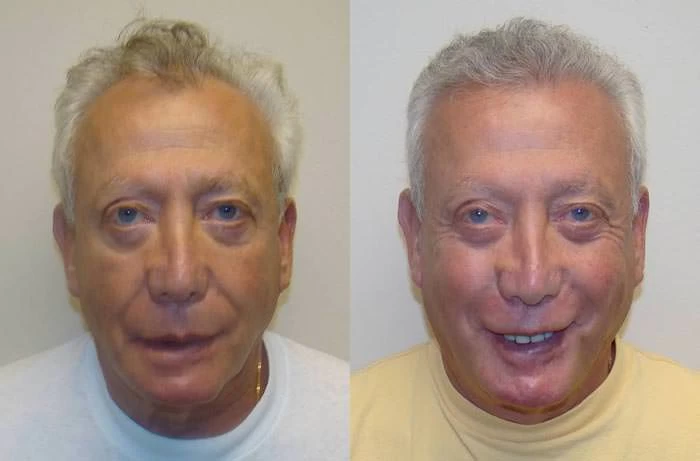
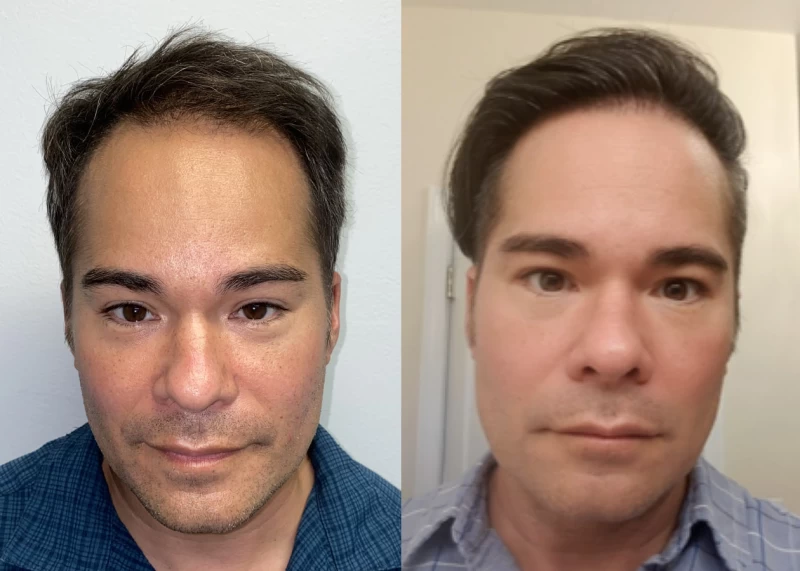
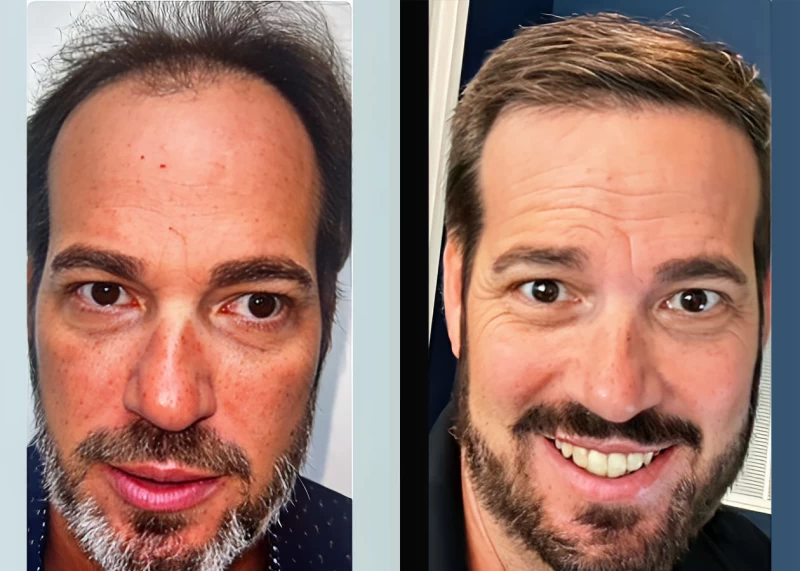
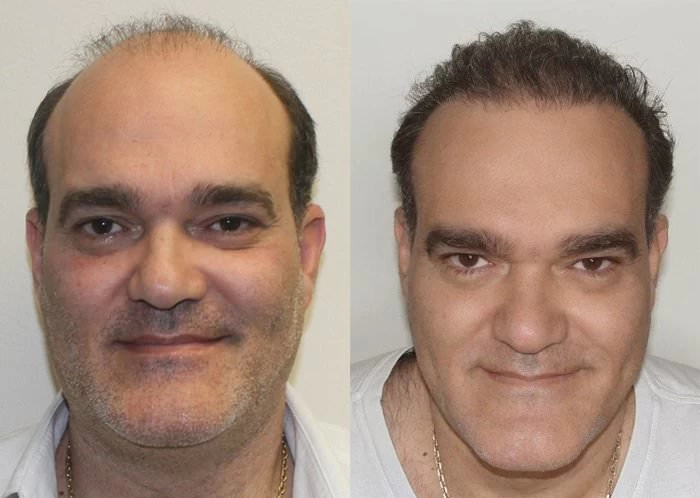
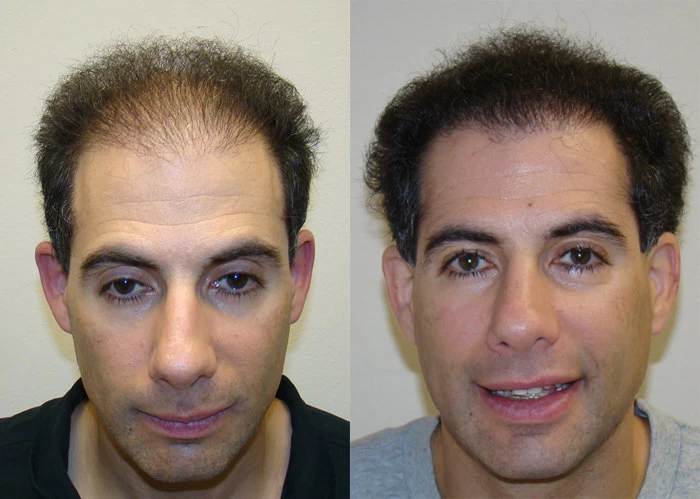
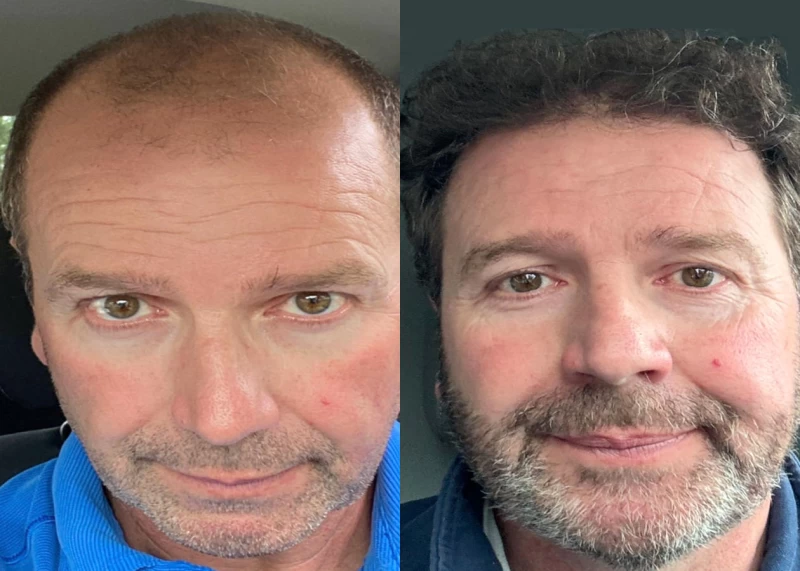
Hair transplant before and after results can vary from patient to patient depending on factors such as the extent of hair loss, donor hair availability, hair characteristics, surgical technique, and individual healing response. A successful hair transplant should create a natural-looking improvement that complements the patient's facial features and long-term goals.
Reviewing real patient before and after results can help patients understand the types of outcomes that may be possible. Every case is unique, so results should be evaluated in the context of similar hair loss patterns, goals, donor characteristics, and starting conditions.
Hair transplant before and after results can demonstrate improvements in hairline appearance, coverage, density, and overall facial balance when treatment is carefully planned and performed. Results vary from patient to patient based on factors such as the degree of hair loss, donor hair availability, hair characteristics, treatment goals, and individual healing.
Hair transplant growth occurs gradually. Patients typically begin to notice new growth several months after the procedure, followed by continued improvement as transplanted hairs mature. The timing and degree of visible growth vary between patients.
Hair Transplant Consultation
Hair transplant surgery is generally well tolerated, but like any surgical procedure, it can involve temporary side effects and potential complications. Understanding the possible risks can help patients make informed decisions and know what to expect during recovery.
Your surgical team should provide specific instructions about what to expect during recovery and when to seek medical attention. If you experience unexpected or worsening symptoms, contact your surgeon for appropriate guidance.
The outcome of a hair transplant depends on more than the surgical procedure itself. Patient characteristics, donor hair resources, treatment planning, graft handling, placement technique, and post-operative care can all influence how the restoration develops over time.
Hair restoration should account for the possibility of continued changes in existing hair. A treatment plan that considers future hair loss can help use limited donor resources responsibly and maintain a natural appearance as the patient ages.
One of the most common concerns patients have before a hair transplant is whether the procedure will be painful. Hair transplantation is typically performed using local anesthesia to numb the treatment areas, which helps minimize discomfort during the procedure. However, some patients may experience brief discomfort during anesthesia administration and varying levels of soreness or tenderness afterward.
Local anesthesia is used to numb the scalp before grafts are harvested and transplanted. Patients may feel brief discomfort, pressure, or a pinching sensation while the anesthesia is administered. Once the treatment area is adequately numb, most patients experience limited discomfort during the procedure.
Returning to normal activities after a hair transplant depends on the procedure performed, the extent of treatment, and how your scalp is healing. Many patients can resume light daily activities relatively soon, while exercise and other activities that place stress on the scalp may need to be postponed until the surgeon confirms that they are appropriate.
During the early recovery period, the scalp may be sensitive and may show temporary redness, swelling, or small crusts. Patients should follow their surgeon's instructions carefully and avoid unnecessary contact with the transplanted areas.
Hair transplant results are intended to provide long-term restoration. Transplanted follicles are generally selected from donor areas that are more resistant to androgenetic hair loss. Once transplanted follicles establish themselves and begin growing, they can continue producing hair for many years.
Transplanted hair is generally considered long-lasting, but individual results can vary. Hair transplantation does not stop the natural aging process or prevent further loss of non-transplanted hair. Existing native hair may continue to thin over time, which is why long-term planning is an important part of hair restoration.
Hair transplant results develop gradually rather than appearing immediately. After transplantation, the follicles need time to heal and establish themselves before producing new hair. Most patients begin to see early growth within several months, while the full result continues to develop over a longer period.
Hair grows according to natural cycles. Following transplantation, follicles require time to recover and adapt to their new location before producing visible hair. The timing and rate of growth can vary between individuals.
There is no single age that is considered the ideal time for a hair transplant. The appropriate timing depends more on the individual patient than on age alone. Factors such as the stability and pattern of hair loss, donor hair availability, overall health, and long-term restoration goals should all be considered.
Hair loss can continue to progress after a hair transplant. Transplanted follicles may continue to grow in their new location, but existing non-transplanted hair may continue to thin over time. Careful planning is therefore important to create a restoration strategy that considers both current and potential future hair loss.
A hair transplant consultation is an important step in understanding your hair loss, evaluating your donor hair, and determining whether hair restoration may be appropriate for your individual goals. The consultation allows your surgeon to develop a treatment strategy based on your specific situation rather than a one-size-fits-all approach.
Every patient has a unique pattern of hair loss, donor supply, hair characteristics, and restoration goals. A detailed consultation helps determine whether transplantation may be appropriate and what approach may provide the most suitable use of available donor hair.
Scheduling a hair transplant consultation is the first step toward understanding your hair loss and determining whether hair restoration may be appropriate for you. A consultation allows your hair loss pattern, donor hair, medical history, and restoration goals to be evaluated before developing an individualized treatment plan.
Once your consultation is scheduled, you can prepare by gathering information about your hair loss history, previous treatments, medications, and the results you hope to achieve. During the consultation, your surgeon can evaluate your individual situation and discuss appropriate treatment options.
Still Have Questions About Hair Transplants?
Our team is here to help you understand your hair restoration options and find the right approach for your needs.
Book Your Free Hair Transplant ConsultationHear From Hair Transplant Patients
Explore real patient experiences and learn what patients have shared about their hair restoration journey with Dr. Brett Bolton.
Great experience. Other places like Bosley told me they couldn't do anything for me after 1 bad experience. I flew to Florida and got great results and I'm only 1 year in. I will be going back again this fall and after that, I'll surely have enough density to be happy. Read Patient Experience →
Dr. Bolton performed our operation on my brother and me around ten years ago.
Josh and his team provided a fantastic welcome.
Respectful, upbeat vibes, and a fantastic experience.
My brother got an excellent grade.
I had a previous operation, so I had less donor hair, but the results were still... Read Patient Experience →
Im amazed at my results. I suffered from hair loss at an early age. Its mind blowing that Dr. Brett Bolton was able to give me such an good result, at one point in time I began to think that there was nothing that could be done to improve my appearance. The procedure itself was fairly easy, I did... Read Patient Experience →
Going bald for me personally was a very hard thing to accept. Being as honest as possible looking into the mirror all that I could see was a guy that was losing hair at a very rapid rate and I felt unattractive.I was always the guy in my younger years who received comments on how great my hair... Read Patient Experience →
One year later I'm very wow I an happy with my results. Dr.Bolton and Josh were very professional and helpful during the whole process I highly recommend GreatHairTransplants! Thank you... Read Patient Experience →
Prior to consulting with Dr. Brett Bolton, I had been to multiple doctors in the Tampa bay area and had received multiple transplants, all of which I was left with the feeling of not enough density or a noticeable result. Meeting Dr. Brett Bolton was one of the best experiences I have had with any... Read Patient Experience →
Experienced Hair Transplant Care You Can Trust
Find answers to your hair transplant questions and learn more about our approach to personalized hair restoration care, patient experience, and natural-looking results.
850+
Patient Reviews
29+
Years of Experience
100%
Patient-Focused Care
Multiple
Trusted Review Sources